Sources of variation
Soil moisture, canopy density, and trail maintenance schedules change how a route feels week to week.
Atlas
Each pattern describes pacing, clothing considerations, and simple documentation ideas. Descriptions are general and are not a substitute for checking local regulations before you travel.
Tabs switch between woodland loops, shoreline pauses, and higher-elevation etiquette. Images illustrate mood only; your terrain differs.
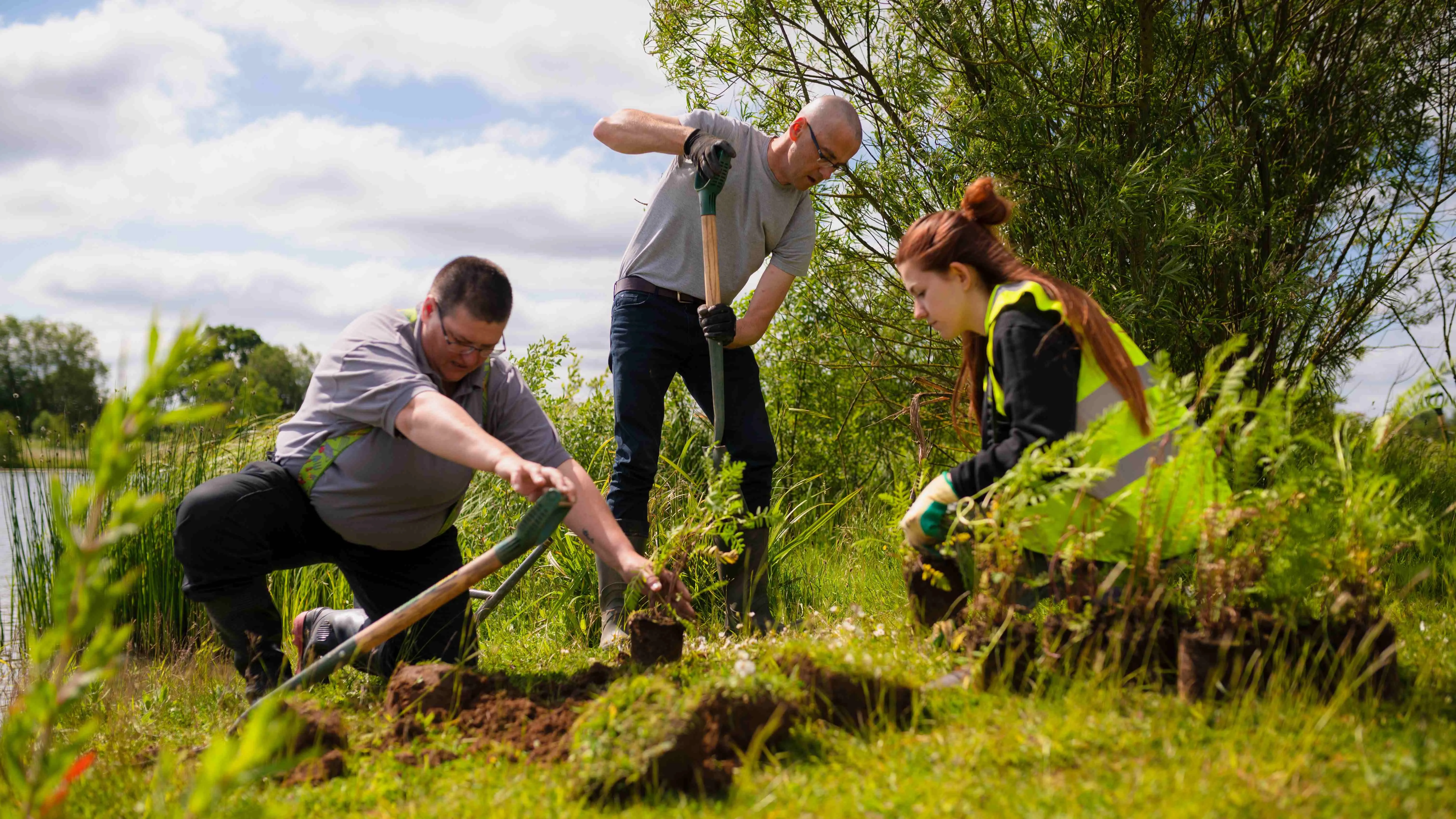
Move slowly enough to read trail markers twice. Keep snacks sealed and carry out wrappers even if bins look full.
Shade, uneven roots, and damp leaf litter are typical. Temperature often lags open fields during early morning hours.

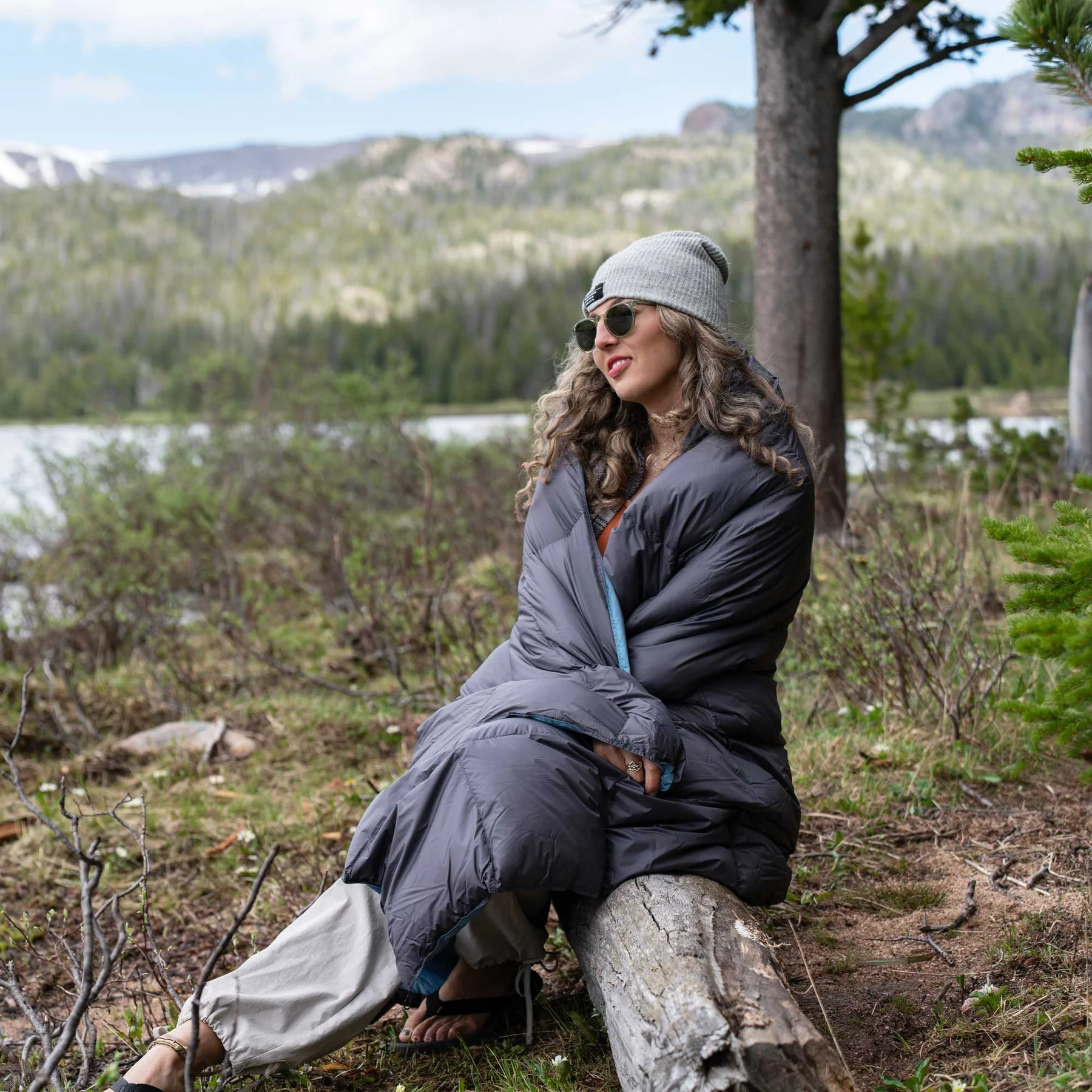
Stay aware of tide schedules and swim rules. Feet can tire on angled cobbles—rotate standing spots regularly.
Wind direction may pivot midday; note it once per hour if you are sketching waves. Sun reflects off water at a lower angle than in forests.
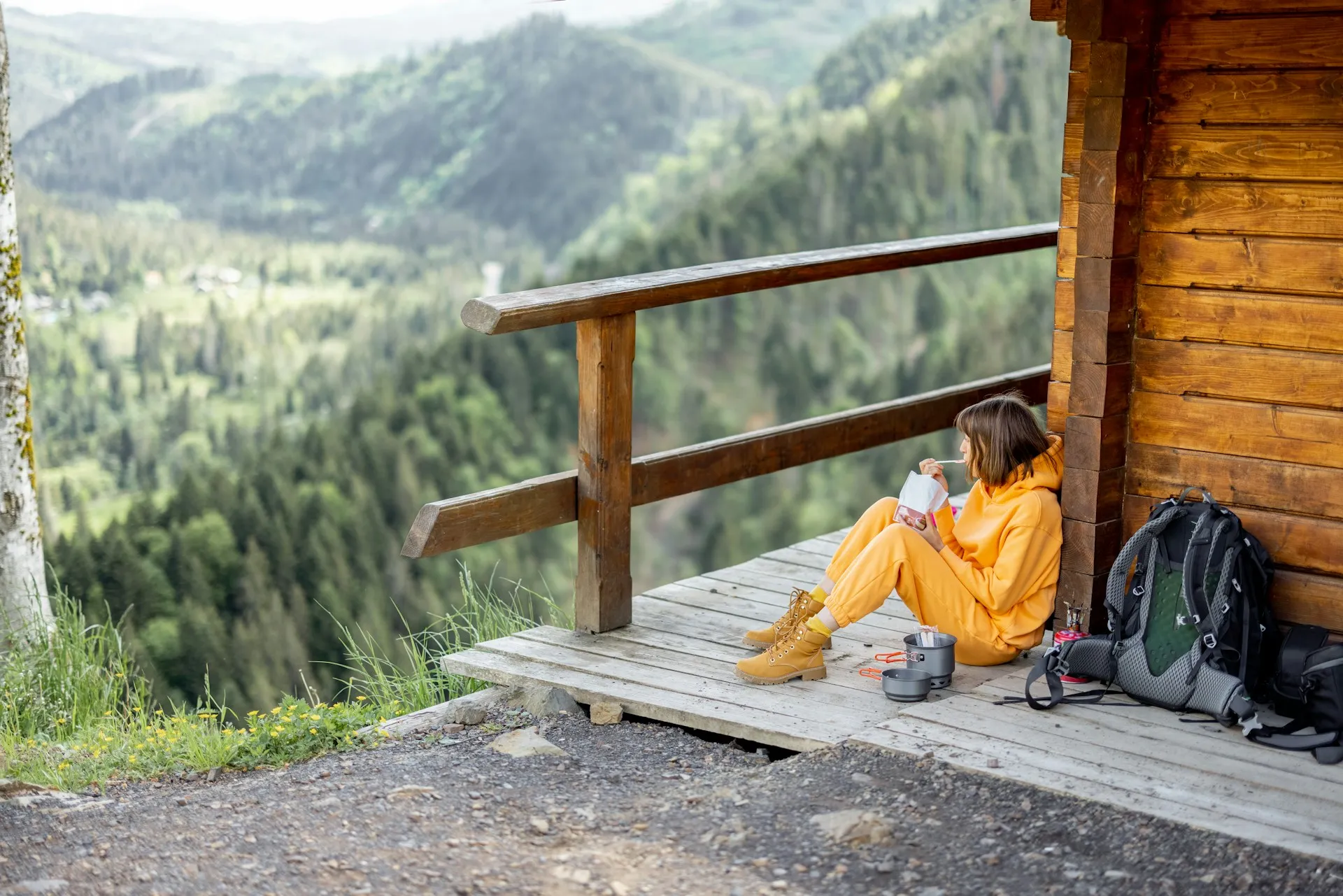
Thin air and rapid weather shifts appear on many benches. Carry layers even when the valley feels warm.
Sun exposure increases with elevation; snow may remain in pockets through late season. Trails may be closed for habitat restoration without long-term notice at kiosks.
Language stays observational. We avoid ranking places or predicting personal outcomes from the activities listed.
Soil moisture, canopy density, and trail maintenance schedules change how a route feels week to week.
A dated notebook entry with coordinates, weather source, and duration helps you compare visits without turning the page into a diary of judgments.
For logistics about materials on this site, use the Reach form so we can route the note correctly.